27 August 2011

Declawing Cats Pros and Cons - An Unbiased Overview


sizcache="" sizset="44">

Declawing cats pros and cons have been circulating in a lot of pet magazines, the internet and even conferences of moral sectors and ethical world organizations. The problem of cat declawing has been a major source of controversies and debate amongst the animal welfare societies, veterinary specialists and cat owners. The declawing cats pros and cons are extremely debatable and not all veterinarians and cat lovers have the exact same ideologies about declawing of a cat's feet.


This post will give you an unbiased insight about the declawing cats pros and cons based on verified reports, professional interviews and concrete facts.


Declawing Cats Pros and Cons: The Pros


A cat owner's main reason to declaw their cats is to bring safety to their home furniture and, of course, to other household members who directly interact with the cats, particularly the kids. The scratching act carried out by our feline pets is included in their innate characteristics and not something we can easily discourage. Hence, a lot of cat owners deemed cat declawing as one of the preferred techniques to stop the scratching procrastination and bring peace and safety in the household. Unless, of course, you choose to get rid of the cat ultimately (which is not in most cases the case for many cat lovers).


Even though there has not been an official statistical study done to ascertain the percentage of consumer satisfaction for declawing, various men and women in the online have commented of the good positive aspects they are receiving after the surgery was carried out. According to the , the horrors claimed by quite a few net websites are somehow unreasonable and that their cats are not at all showing signs of intolerable pain throughout or immediately after the surgery. Aside from the security of a non-shredded curtains, walls, sofa and intact skin tissues, cat owners are also appreciating the gradual change of their kitty's behavior. They claim that their cats are no longer as "temperamental" as they made use of to. Perhaps due to the fact they know they can no longer play as a vicious cat, and thus they shift to becoming the cuddly cute small babies rather.


Declawing Cats Pros and Cons: The Cons


1 negative aspect reported by many cat owners right after declawing is the inability of their cats to defend themselves. The cat's claws are their main physical defense and declawing will evidently lessen their chances of winning for the duration of cat fights. If your cat is the sort that frequently kicks a different cat's butt, you may perhaps have to bear the sad thought that they will be reduced to a defenseless small kitty once they are declawed. In line with this, you will have to detain them at dwelling and stop them from obtaining into cat fights. An additional risk of declawing is infection and malformation of your cat's feet. There are also times when you will still witness the re-growth a couple of weeks right after surgery primarily if you opt for the standard strategies of declawing, or if the procedure wasn't accomplished effectively. Therefore, you may perhaps have to re-declaw them, which indicates additional expense for you.

22 August 2011

Cats and Cancer


sizcache="" sizset="29">

Whilst cancer in cats is not as common as it in dogs, it is nonetheless 1 of the leading causes of death in older cats. According to the Animal Cancer Foundation, 6 million cats will be diagnosed with cancer in the United States along. And considering that cats are masters at masking illness, it is regularly harder to detect. Cancer employed to be a death sentence for cats, but current advances in feline cancer investigation have created treatment feasible in a number of instances. Just like with human cancers, early detection is important to successfully treating feline cancers.


Standard cancers in cats


One of the most widespread forms of cancer in cats is lymphoma. Other often seen cancers are oral squamous carcinomas, related to what persons get. Fibrosarcomas, or soft tissue sarcomas, are tumors developing in muscle or in the connective tissue of the body. These are typically related with injections and vaccinations. Other forms of cancer are much less widespread, but they do happen in cats: lung tumors, brain tumors, nasal tumors, liver tumors. There are fewer incidences of mammary tumors (yes, cats can get breast cancer, too) given that much more cats are spayed and spaying is one of the preferred approaches to stop this certain cancer.


Symptoms of feline cancer


Men and women and cats both show comparable symptoms when it comes to cancer:


  • Lumps, specifically lumps that seem to be getting bigger
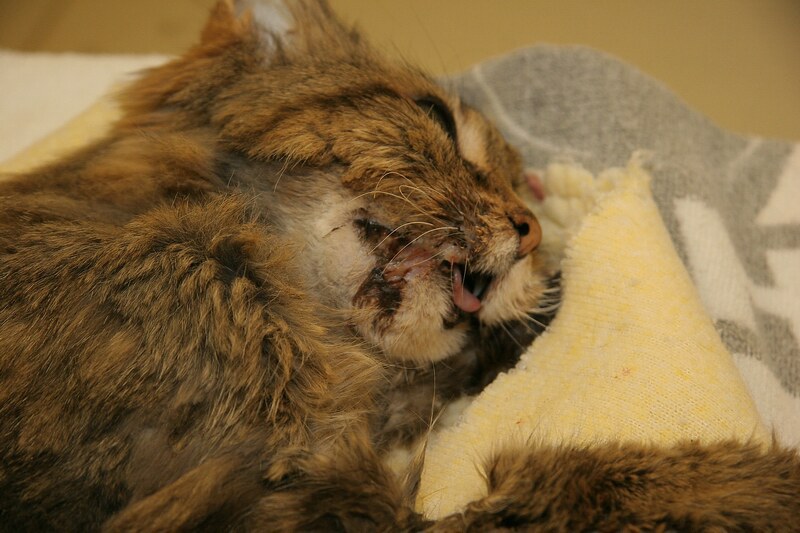
  • Sores that do not heal
  • Changes in bowel or bladder habits
  • Unexplained bleeding or a strange discharge from any body opening
  • Loss of appetite and weight loss
  • Breathing challenges
  • Lameness or stiffness that persists over a period of time
  • Poor odor
  • Having trouble consuming or swallowing food


If you notice your cat showing any of these symptoms, take him to your veterinarian for a thorough examination.


Diagnosis


Diagnosis will vary, depending on the presenting symptoms. An exam will most likely contain a total blood chemistry, blood count, and urinalysis. Your veterinarian may take x-rays, perform an ultrasound, and take tissue biopsies. Depending on exactly where the biopsies are taken from, this might possibly need sedation, or full anesthesia. Biopsies will be reviewed by a veterinary pathologist to figure out the kind of cancer.


Treatment


Therapy alternatives for cats are nearly as varied as therapy alternatives for human cancers, and will depend on the sort of cancer. Surgery is the most well-known therapy for any lumps or growths that need to have to be removed. In some instances, surgery can be curative. Other cancers may perhaps demand chemotherapy or radiation. Cats tend to tolerate chemotherapy much better than people today, and can have good excellent of life for countless months and quite often even years following therapy. Radiation therapy might be utilized for tumors that can't be removed. This is a even more stressful therapy for cats, due to the fact it will need sedation or anesthesia for every single treatment.


Causes


There isn't as significantly research into the causes of feline cancer as there is on the human side, but I don't feel it's much of a leap to assume that some of the very same environmental toxins that trigger cancer in humans also trigger cancers in our cats. There have been some studies searching at secondhand smoke and feline cancers. Vaccinations and other injections have been verified to be responsible for fibrosarcomas, and these findings have led to .


Prevention


Whilst some cancers are triggered by genetic mutations, there are nonetheless items cat owners can do to lessen the likelihood that their cats get the illness.


A wholesome, species-appropriate, meat-based diet plan is 1 of the most valuable foundations for stopping cancer, or any other well being issues in cats. A balanced grain-absolutely free raw meat or canned diet plan gives the ideal nutrition for your cat. As obligate carnivores, cats do not want carbohydrates in their diet plan. In fact, commercial dry cat foods have been linked to numerous of the degenerative illnesses we're seeing in cats such as diabetes, kidney failure, and inflammatory bowel illness. The latter is frequently a precursor for intestinal lymphoma. The one most effective thing you can do for your cat's well being is to eliminate all dry food from his diet plan.


Environmental toxins and stressors are also linked to cancer in humans, and almost certainly cause cancers in cats. Steer clear of exposure to commercial cleaning goods and use natural merchandise rather. Make certain your cat usually has pure (bottled or distilled) water accessible. Most municipal water systems are contaminated with anything from heavy metals to chlorine. Don't use chemical flea and tick products on your pets, use natural options instead. Minimize vaccinations, and if your cat already has cancer, do not vaccinate the cat at all.


Cancer is a devastating illness, but early detection, combined with ever increasing therapy solutions, makes it achievable for cats to continue to live with beneficial high quality of life.